

- Introduction to Responsive Web Applications in Cosmetic E-Commerce
- Understanding the Dynamics of Cosmetic E-Commerce
- The Role of User Experience (UX) in Cosmetic E-Commerce
- Importance of Mobile Responsiveness in Cosmetic E-Commerce
- The Impact of Responsive and Engaging Web Applications on Customer Loyalty
- Future Trends and Innovations in Responsive Cosmetic E-Commerce Applications
- 1. Augmented Reality (AR) Integration
- 2. AI-Powered Personalization
- 3. Voice Commerce and AI Assistants
- 4. Sustainability and Green Initiatives
- 5. Integration of Social Commerce
- 6. Enhanced Mobile Experience and Progressive Web Apps (PWAs)
- 7. Blockchain for Transparency and Security
- 8. Gamification for Engagement
- Conclusion
In the bustling domain of cosmetic e-commerce, the digital storefront has become the new battleground for brands striving to captivate and empower customers.
Introduction to Responsive Web Applications in Cosmetic E-Commerce
In the vibrant realm of cosmetic e-commerce, the digital storefront has emerged as a bustling marketplace, redefining how consumers interact with beauty brands and products. At the heart of this digital evolution lies the concept of responsive web applications—a technological marvel revolutionizing the cosmetic purchasing journey. This article serves as a guiding compass for responsive and engaging web, introducing the transformative role of responsive web applications in the dynamic landscape of cosmetic e-commerce.
In the ever-evolving world of cosmetic e-commerce, the digital landscape has become the cornerstone of customer engagement and brand interaction. Within this realm, the emergence of responsive and engaging web applications stands as a transformative force, reshaping the way cosmetic brands connect with their customers. These technological marvels not only serve as digital storefronts but also as dynamic platforms that empower customers in their cosmetic purchasing journey.
At the heart of this transformation lies the concept of responsive —an approach that ensures a seamless and consistent user experience across various devices. Responsive web applications adapt effortlessly to the myriad screen sizes of smartphones, tablets, and desktops, ensuring that customers encounter a consistent interface regardless of the device they use. This adaptability fosters accessibility, allowing customers to explore, engage, and make purchases without encountering obstacles or limitations based on their device preferences.
Engagement forms another crucial facet of these applications. User-centric design elements such as intuitive interfaces, visually appealing layouts, and simplified navigation pathways create an immersive and captivating experience for customers. By incorporating interactive features and captivating visuals, these applications captivate the attention of users, keeping them engaged and invested in the cosmetic shopping experience.
Mobile responsiveness emerges as a linchpin within the realm of cosmetic e-commerce. With an increasing number of consumers opting to browse and shop via mobile devices, the significance of a seamless mobile experience cannot be overstated. Responsive web applications optimize the mobile interface, ensuring that customers encounter a user-friendly and visually appealing platform even on smaller screens. This accessibility on mobile devices amplifies customer engagement and accessibility, driving convenience and ease of use. It’s estimated that around 60-70% of online traffic for cosmetic e-commerce platforms originates from mobile phones.
The speed and performance of these web applications play a pivotal role in shaping customer satisfaction. Load times and overall performance directly impact user experience. Responsive design contributes significantly to faster loading speeds and seamless performance across devices, eliminating frustrating delays and ensuring swift access to product information, ultimately enhancing customer satisfaction.
Moreover, the future landscape of cosmetic e-commerce applications is poised for continual evolution. Anticipating advancements in responsive design and user-centric features, the trajectory of digital cosmetic retail promises even more engaging, accessible, and immersive experiences for customers. The adoption of these responsive and engaging web applications not only caters to the immediate needs of cosmetic shoppers but also heralds a future where customer empowerment in the digital cosmetic realm is at the forefront of brand innovation and success.
Understanding the Dynamics of Cosmetic E-Commerce
The world of beauty and cosmetics has undergone a revolutionary metamorphosis, transitioning from traditional brick-and-mortar stores to the vibrant and dynamic domain of e-commerce. Within this digital landscape, the dynamics of Cosmetic E-Commerce are multifaceted, encompassing various elements that redefine how consumers interact with beauty brands and products. Let’s delve into the intricate dynamics that shape this burgeoning industry.
1. Global Accessibility: The Borderless Beauty Market
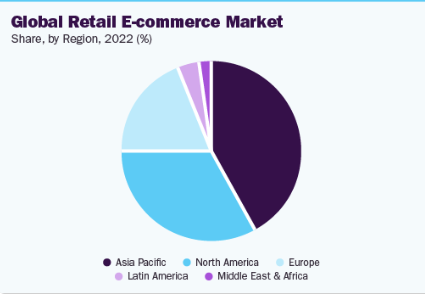
Cosmetic E-Commerce transcends geographical limitations, offering consumers a global marketplace at their fingertips. The allure of accessing diverse beauty products from across the world has redefined consumers’ shopping habits. This global accessibility broadens options, allowing customers to explore and experiment with an extensive range of cosmetics.
The rise of Cosmetic E-Commerce has dismantled barriers, allowing consumers to access a vast array of beauty products from different corners of the globe. Brands must adapt their strategies to cater to this global audience by offering diverse products and understanding regional preferences.
2. Influencer-Led Trends: The Power of Digital Voices
Influencers, beauty bloggers, and user-generated content have emerged as influential voices in Cosmetic E-Commerce. These digital personalities are powerful in shaping trends, consumer preferences, and purchasing behaviors. Social media platforms serve as vibrant beauty hubs, where trends are born, product reviews are shared, and consumers seek inspiration for their beauty routines.
Influencers wield considerable influence in shaping beauty trends and consumer choices. Brands collaborate with influencers to leverage their reach and credibility, tapping into their audiences to promote products and establish brand identity.
3. User-Centric Experiences: Engaging the Beauty Shopper
The essence of Cosmetic E-Commerce lies in providing engaging and seamless user experiences. Intuitive interfaces and responsive design across devices are imperative for capturing and retaining customer attention. These applications need to offer more than just products—they must create immersive experiences that resonate with the digital beauty shopper.
Seamless, intuitive, and engaging user experiences are imperative in retaining customers. Brands invest in user-centric designs, optimizing their websites and applications for various devices, ensuring a consistent and enjoyable shopping experience.
4. Personalization and Customization: Tailoring Beauty Experiences
Personalization plays a pivotal role in Cosmetic E-Commerce. Customized product recommendations and targeted marketing based on consumer preferences create a sense of individuality and connection. Tailored experiences cater to diverse needs, fostering a deeper engagement and enhancing customer satisfaction.
Data-driven personalization enhances the shopping experience. Brands leverage consumer data to curate personalized product recommendations, tailored promotions, and individualized content, fostering stronger connections and higher engagement.
5. Trust and Transparency: Pillars of Brand Credibility
Building trust and credibility is a cornerstone in the digital beauty realm. In an environment where physical interaction with products is absent, customers seek reassurance about product quality and authenticity. Transparency in product information, genuine reviews, and robust customer service are crucial for fostering trust and credibility.
Establishing trust in Cosmetic E-Commerce involves transparent communication, authentic product information, and responsive customer service. Brands prioritize building credibility through genuine reviews, clear product descriptions, and secure transactions, nurturing a loyal customer base.
In essence, understanding the dynamics of Cosmetic E-Commerce requires a nuanced approach that incorporates global accessibility, influencer strategies, user-centric design, personalized experiences, and a commitment to trust and transparency. Navigating these dynamics empowers brands to thrive in the vibrant and ever-evolving digital beauty landscape.
Source: Grandview Research
The Role of User Experience (UX) in Cosmetic E-Commerce
In the bustling world of cosmetic e-commerce, where beauty enthusiasts explore an extensive array of products, user experience (UX) stands as a fundamental pillar shaping the digital shopping journey. From seamless navigation to visually captivating interfaces, the role of UX in cosmetic e-commerce is pivotal, influencing consumer engagement, satisfaction, and brand loyalty. According to various industry reports, websites or applications optimized for mobile devices tend to witness conversion rates that are 2-3 times higher compared to non-responsive ones.
In the vibrant realm of cosmetic e-commerce, user experience (UX) acts as the cornerstone, dictating how customers engage with beauty brands and products in the digital landscape. It’s more than a series of functionalities; it’s about crafting an immersive and intuitive journey that resonates deeply with every user. From the moment a visitor lands on a cosmetic e-commerce platform, every interaction, interface element, and navigational pathway plays a crucial role in shaping their shopping experience. The fluidity of navigation, the visual appeal of product displays, and the responsiveness across various devices all contribute to an environment where users feel empowered to explore seamlessly.
A well-crafted UX design isn’t just about facilitating transactions; it’s about creating an emotional connection, fostering consumer trust, and enhancing satisfaction. It’s the fusion of aesthetics, usability, and functionality that transforms a mere browsing session into a captivating and satisfying journey, fostering brand loyalty and encouraging customers to return for an engaging and personalized shopping experience. Ultimately, the role of UX in cosmetic e-commerce transcends mere functionality; it’s the conduit through which brands connect with their audience, leaving a lasting impression and cultivating enduring relationships.
1. Understanding UX in Cosmetic E-Commerce
User experience encompasses the entirety of a consumer’s interaction with a cosmetic e-commerce platform. It’s about more than just functionality—it’s about crafting an immersive and intuitive journey that resonates with users. UX design encompasses visual aesthetics, usability, accessibility, and the overall feel of the digital shopping environment.
2. Seamless Navigation and Intuitive Design
The navigation pathways within a cosmetic e-commerce platform are the gateway to a satisfying shopping experience. Intuitive design elements such as clear product categorization, easy-to-use filters, and a simplified checkout process contribute to an effortless user journey. Streamlined navigation empowers users to explore products efficiently, enhancing their overall satisfaction.
3.Visual Appeal and Engaging Interfaces
Visual aesthetics play a substantial role in UX within cosmetic e-commerce. Captivating product images, high-quality visuals, and appealing layouts not only attract attention but also elevate the overall browsing experience. Visual elements, when coupled with informative descriptions, guide users toward informed purchasing decisions.
4. Responsive Design for Multiple Devices
In an era dominated by mobile interactions, responsive design is paramount. Cosmetic e-commerce platforms must adapt seamlessly across devices—desktops, tablets, and mobiles—to ensure a consistent and enjoyable user experience. Optimizing the platform for various screen sizes and functionalities enhances accessibility and convenience for users.
5. Personalization and Tailored Experiences
The essence of UX in cosmetic e-commerce extends to offering personalized experiences. Tailoring product recommendations, providing customized offers based on browsing history, and creating individualized content foster a sense of exclusivity and connection. Personalized experiences enhance user engagement and encourage repeat visits.
6. The Impact on Consumer Engagement and Loyalty
The role of UX in cosmetic e-commerce isn’t just about facilitating transactions; it’s about fostering engagement and building long-term relationships. A positive user experience resonates with users, encouraging them to return and explore the platform further. Seamless UX design directly influences brand loyalty, driving repeat purchases and advocacy.
The role of user experience in cosmetic e-commerce is transformative—it’s the compass guiding beauty enthusiasts through a seamless, engaging, and personalized shopping journey. Brands that prioritize UX design foster not just transactions but lasting connections, solidifying their position in the competitive landscape of digital beauty retail.
A considerable percentage of consumers prefer using mobile devices for their shopping activities. Reports indicate that approximately 80% of shoppers use mobile phones inside physical stores to compare prices, read reviews, or find alternative product options.
Importance of Mobile Responsiveness in Cosmetic E-Commerce
The realm of cosmetic e-commerce has witnessed an unprecedented transformation, evolving from traditional retail to a dynamic digital landscape. Within this evolution, the significance of mobile responsiveness stands as a linchpin, redefining how consumers engage with beauty brands and products. Mobile devices have become the gateway to the beauty world, and ensuring a seamless and captivating mobile experience has become pivotal for success in cosmetic e-commerce.
In the realm of cosmetic e-commerce, the seismic shift towards digital platforms has reshaped the landscape of beauty retail. Amidst this revolution, the paramount importance of mobile responsiveness has emerged as a defining factor in shaping the consumer experience. The ubiquitous presence of mobile devices has not only altered consumer behavior but has become the primary avenue through which beauty enthusiasts explore, evaluate, and procure cosmetic products. This fundamental change in consumer habits underscores the critical need for cosmetic e-commerce platforms to prioritize mobile responsiveness. The seamless adaptation of these platforms to the mobile interface has transcended being a mere convenience—it has become an imperative for success. Mobile devices are no longer secondary; they are the primary portal through which consumers seek beauty inspiration, conduct research, and make purchases.
Ensuring that the mobile experience is not just functional but engaging, intuitive, and visually captivating has become an essential strategy for cosmetic e-commerce success. It’s not solely about meeting consumer expectations; it’s about elevating the entire shopping journey, capturing attention, fostering engagement, and driving conversions. In this digital era, where mobile devices reign supreme, the significance of mobile responsiveness in cosmetic e-commerce cannot be overstated—it’s the key to unlocking the vast potential of the beauty market and establishing a lasting connection with today’s digitally-driven consumers.
1. Mobile Dominance in Consumer Behavior
The ubiquity of smartphones has reshaped consumer behavior, with a substantial portion of cosmetic e-commerce transactions occurring through mobile devices. Beauty enthusiasts seek convenience, accessibility, and immediacy, often turning to their smartphones for product exploration, reviews, and purchases. The portability and on-the-go nature of mobile devices have made them the preferred choice for browsing beauty products.
2. Seamless Experience Across Devices
Mobile responsiveness in cosmetic e-commerce isn’t just an option—it’s a necessity. Consumers expect a consistent and enjoyable experience regardless of the device they use. Responsive design ensures that the platform adapts effortlessly to various screen sizes and functionalities, guaranteeing a harmonious browsing experience from desktops to tablets and smartphones.
3. Enhancing Accessibility and Convenience
A mobile-responsive cosmetic e-commerce platform extends accessibility to a broader audience. It caters to users who prefer the ease of browsing and shopping on their mobile devices, eliminating barriers and ensuring that consumers can explore beauty products anytime, anywhere. This accessibility enhances convenience, making it easier for users to research, compare, and make informed purchase decisions on the go.
4. Driving Engagement and Conversion
The impact of mobile responsiveness on consumer engagement and conversion rates cannot be overstated. A user-friendly and visually appealing mobile interface captivates attention, encouraging longer browsing sessions and higher engagement. Responsive design streamlines the purchasing process, reducing friction and cart abandonment, thereby driving conversions.
5. SEO Benefits and Visibility
Search engine algorithms prioritize mobile-friendly websites, enhancing their visibility in search results. A mobile-responsive cosmetic e-commerce platform not only caters to user preferences but also improves search engine rankings, leading to increased visibility and potential customer acquisition.
6. Future-Proofing in a Mobile-Centric World
As mobile technology continues to advance, the importance of mobile responsiveness will only amplify. Embracing mobile responsiveness isn’t just about meeting current user demands—it’s about future-proofing cosmetic e-commerce platforms. Staying ahead in a mobile-centric world ensures relevance and competitiveness in an ever-evolving digital landscape.
In the dynamic realm of cosmetic e-commerce, mobile responsiveness isn’t merely an option; it’s a strategic imperative. It’s the gateway to a broader audience, an enabler of seamless experiences, and a catalyst for engagement and conversion. Brands that prioritize and invest in mobile responsiveness position themselves at the forefront of consumer accessibility, convenience, and satisfaction, thereby securing a prominent place in the ever-evolving world of digital beauty retail.
The Impact of Responsive and Engaging Web Applications on Customer Loyalty
In the dynamic landscape of online commerce, the quest for customer loyalty stands as a cornerstone for sustainable success. Within this realm, the advent of responsive and engaging web applications has revolutionized how businesses cultivate and maintain loyalty among their customer base. These applications have emerged not just as platforms for transactions but as catalysts for building enduring relationships, elevating customer experiences, and fostering brand advocacy.
In the ever-evolving world of online commerce, the pursuit of customer loyalty remains a pivotal goal for sustained business success. Responsive and engaging web applications have emerged as transformative assets within this landscape, fundamentally altering how businesses nurture and fortify loyalty among their clientele. These applications signify more than mere transactional platforms; they represent a dynamic shift towards fostering lasting connections, enriching customer journeys, and nurturing brand allegiance. The advent of these applications marks a turning point, where businesses no longer view interactions as singular transactions but as opportunities to create memorable experiences that resonate deeply with their audience.
By seamlessly adapting to user needs and preferences, responsive and engaging web applications elevate the customer experience, leaving a lasting impression that extends far beyond the completion of a purchase. They facilitate seamless navigation, captivate users through intuitive design elements, and deliver personalized interactions that mirror individual preferences. This heightened level of engagement not only retains customers but also transforms them into ardent advocates, actively endorsing and championing the brand. The impact of these applications isn’t solely on immediate sales but on the cultivation of enduring loyalty, sparking a cycle of continued engagement, advocacy, and sustained patronage. In this digital era, where customer allegiance is paramount, responsive and engaging web applications serve as catalysts for businesses to not just meet but exceed customer expectations, ultimately carving a path toward sustained success and prominence in the competitive online market.
1. Elevating User Experience: The Foundation of Loyalty
Responsive and engaging web applications are the bedrock of a captivating user experience. Seamless navigation, visually appealing interfaces, and intuitive functionalities create an immersive journey for users. When customers encounter a platform that aligns effortlessly with their preferences and needs, it fosters a sense of satisfaction and delight, prompting them to return.
2. Driving Engagement and Retention
Engagement is the heartbeat of customer loyalty. Engaging web applications captivate users, keeping them invested and interested in the brand. From interactive features to personalized recommendations, these applications create a two-way interaction, making customers feel valued and understood. Such engagements not only retain customers but also deepen their emotional connection with the brand.
3. Consistency Across Devices: A Unified Experience
Responsive design ensures consistency across various devices. Whether accessed from a desktop, tablet, or smartphone, the experience remains harmonious and seamless. This uniformity not only enhances accessibility but also contributes significantly to customer loyalty. Users appreciate the convenience of navigating the brand’s offerings effortlessly, irrespective of the device they use.
4. Personalization and Tailored Experiences
Personalization within web applications adds a layer of exclusivity and relevance. Tailoring recommendations, content, and offers based on user behaviors and preferences cultivates a deeper connection. When customers feel understood and catered to individually, it forges a bond that goes beyond transactional interactions, bolstering loyalty.
5. Empowering Customer Advocacy
Engaging web applications have the potential to transform satisfied customers into brand advocates. By offering an exceptional user experience, brands encourage customers to share their positive experiences with others. Whether through social media, reviews, or word-of-mouth, these advocates become invaluable assets in attracting and retaining new customers.
The impact of responsive and engaging web applications on customer loyalty is profound. They are not just tools for transactions but catalysts for creating memorable experiences that resonate with users. Building loyalty through these applications is a strategic investment that nurtures lasting relationships, fosters advocacy, and positions brands at the forefront of customer-centricity in the competitive landscape of online commerce.
The integration of social commerce within e-commerce applications has shown significant promise. Research suggests that around 30% of online shoppers are likely to purchase a social media network, showcasing the potential impact of seamless social integration within cosmetic e-commerce apps.
Future Trends and Innovations in Responsive Cosmetic E-Commerce Applications
The realm of cosmetic e-commerce is in a perpetual state of evolution, constantly embracing new technologies and trends to cater to the ever-changing demands of beauty enthusiasts. As the industry continues to thrive in the digital landscape, the future of responsive cosmetic e-commerce applications promises a multitude of innovative trends set to redefine the way consumers engage with beauty brands and products.
One of the most promising innovations is the integration of Augmented Reality (AR), a game-changer that allows users to virtually try on makeup products, experiment with different shades, and envision looks in real time. This immersive experience is set to revolutionize the way consumers explore and select cosmetics, offering unprecedented confidence in their purchase decisions.
Artificial Intelligence (AI) is another frontier that promises groundbreaking advancements. Its implementation is set to deliver highly personalized experiences, analyzing individual preferences and behaviors to offer tailored product recommendations, beauty tips, and skincare routines. This level of personalization is expected to significantly enhance user engagement and loyalty by providing an unparalleled shopping journey. Studies have shown that integrating augmented reality (AR) and virtual try-on features in cosmetic e-commerce apps can increase conversion rates by up to 200% and reduce return rates by around 30%.
Voice commerce and AI-powered assistants are anticipated to redefine convenience and accessibility. Enabling users to browse, inquire, and make purchases using voice commands is a significant step forward. AI assistants integrated into cosmetic e-commerce applications will offer guidance, product information, and recommendations, simplifying the shopping process and enhancing user interaction.
Sustainability is a growing concern, and cosmetic e-commerce applications are expected to amplify their efforts in this domain. Highlighting eco-friendly products, showcasing green initiatives, and ensuring transparency regarding ethical sourcing and sustainable practices will cater to the rising demand for environmentally conscious options among consumers.
Additionally, the seamless integration of social commerce within these applications is poised to elevate the shopping experience. Enabling users to shop directly from social media platforms and fostering user-generated content and influencer collaborations will drive engagement and sales, blurring the lines between social interaction and commerce.
Furthermore, advancements in Progressive Web Apps (PWAs) will ensure an enhanced mobile experience. PWAs offer native app-like experiences within web browsers, ensuring fast loading times and seamless navigation across devices. This prioritization of mobile responsiveness ensures accessibility and satisfaction for users, irrespective of the device they use.
Blockchain technology is anticipated to play a significant role in enhancing transparency and security within cosmetic e-commerce applications. Enabling traceability of product ingredients, supply chain management, and authentication of genuine products will foster consumer trust and confidence.
Gamification elements like loyalty programs, quizzes, and interactive challenges are expected to entertain and engage users, fostering a sense of community within these applications.
1. Augmented Reality (AR) Integration
Augmented Reality is poised to revolutionize the cosmetic shopping experience. Its integration within e-commerce applications allows users to virtually try on makeup products, visualize shades, and experiment with various looks in real time. By leveraging AR, brands offer an immersive and interactive way for customers to explore and select cosmetics, boosting confidence in their purchasing decisions.
Augmented Reality allows customers to virtually try makeup products, visualize shades, and experiment with various looks in real time. This immersive experience boosts confidence in purchasing decisions by offering a preview of how products will look and perform.
2. AI-Powered Personalization
Artificial Intelligence (AI) is becoming instrumental in providing personalized recommendations and tailored experiences. AI algorithms analyze customer data, including browsing history and preferences, to offer curated product suggestions, beauty tips, and customized skincare routines. This level of personalization enhances user engagement and fosters brand loyalty.
Artificial Intelligence analyzes customer data to offer tailored recommendations and experiences. By understanding preferences, AI suggests personalized product choices, skincare routines, and beauty tips, enhancing user engagement and satisfaction.
3. Voice Commerce and AI Assistants
Voice-enabled shopping experiences, powered by AI assistants, are gaining traction. Users can browse, inquire about products, and make purchases using voice commands, providing convenience and accessibility. AI assistants, integrated into cosmetic e-commerce applications, offer guidance, product information, and recommendations based on user inquiries.
Voice-enabled shopping experiences provide convenience and accessibility. AI-powered assistants offer guidance, product information, and recommendations, improving user interaction and simplifying the shopping journey.
4. Sustainability and Green Initiatives
In response to growing consumer awareness, cosmetic e-commerce applications are emphasizing sustainability. Brands are showcasing eco-friendly products, implementing recycling programs, and promoting transparency regarding ethical sourcing and environmentally conscious practices. Applications highlight these initiatives, catering to eco-conscious consumers.
Cosmetic e-commerce applications highlight eco-friendly products and sustainability initiatives, catering to environmentally conscious consumers. Transparency regarding ethical practices builds trust and loyalty.
5. Integration of Social Commerce
Social media integration within e-commerce applications is becoming integral. Seamless connectivity with platforms like Instagram, allowing users to shop directly from posts or stories, blurs the lines between social interaction and commerce. User-generated content and influencer collaborations within the app elevate engagement and drive sales.
Seamless integration with social media platforms allows users to shop directly from posts or stories. User-generated content and influencer collaborations enhance engagement and drive sales within the app.
6. Enhanced Mobile Experience and Progressive Web Apps (PWAs)
Continual enhancements in mobile experiences remain a priority. Progressive Web Apps (PWAs) offer native app-like experiences accessed through a web browser, ensuring fast loading times, offline capabilities, and seamless navigation across devices, fostering user engagement and satisfaction.
Progressive Web Apps offer native app-like experiences on web browsers, ensuring fast loading times and seamless navigation. Prioritizing mobile responsiveness ensures accessibility and satisfaction across devices.
7. Blockchain for Transparency and Security
The adoption of blockchain technology enhances transparency and security within cosmetic e-commerce applications. It enables traceability of product ingredients, supply chain management, and authentication of genuine products, instilling consumer trust and confidence.
Blockchain technology enables traceability of ingredients, supply chain management, and authentication of products. This fosters trust by ensuring transparency and security for consumers.
8. Gamification for Engagement
Incorporating gamification elements within applications, such as loyalty programs, quizzes, and interactive challenges, entices users and incentivizes engagement. Gamified experiences not only entertain but also encourage participation and foster a sense of community among users. Gamified elements like loyalty programs and interactive challenges entertain users, encouraging participation and fostering a sense of community within the app.
Conclusion
In conclusion, the transformative power of responsive and engaging web applications in the realm of cosmetic e-commerce cannot be overstated. These applications serve as catalysts, empowering customers and revolutionizing their shopping experiences. By seamlessly adapting to diverse user needs, offering immersive interactions, and providing personalized journeys, these applications elevate the way beauty enthusiasts engage with brands and products.
The essence of empowerment lies in the seamless accessibility and intuitive interfaces that these applications offer, enabling customers to navigate, explore, and select cosmetics with confidence. The integration of innovative technologies like Augmented Reality (AR), Artificial Intelligence (AI), and voice commerce ensures a personalized and convenient experience, putting the control in the hands of the consumers.
The future of cosmetic e-commerce is undeniably bright, propelled by these responsive and engaging applications that empower customers to make informed choices, indulge in immersive experiences, and foster enduring connections with their favorite beauty brands. As technology continues to evolve and innovate, the potential for further empowerment and enrichment of the customer journey remains boundless within this dynamic digital landscape.
Comments
One response to “How Responsive and Engaging Web Empower E-Commerce Customers”
Hi, this is a comment.
To get started with moderating, editing, and deleting comments, please visit the Comments screen in the dashboard.
Commenter avatars come from Gravatar.